

What Is ASTM Butt Fusion Welding Standard?
Core ASTM Standards for Polyolefin Pipe Butt Fusion Welding
Before starting PE pipe workshop fabrication or field butt fusion work, it is necessary to distinguish the two most commonly used ASTM fusion specifications: ASTM F2620 and ASTM D2657-07.
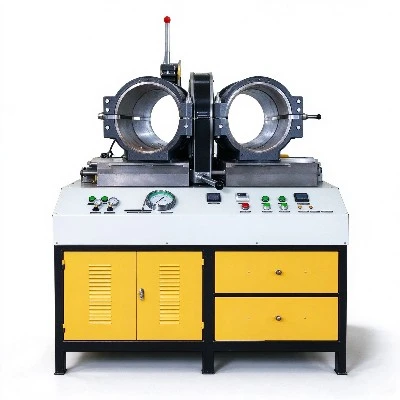
- ASTM F2620: Standard Practice for Heat Fusion Joining of Polyethylene Pipe and Fittings. It is specially designed for HDPE / polyethylene pipe and fittings. It applies to straight pipe field welding, and also suits workshop multi-angle butt welder for PE pipe to fabricate elbows, tees, crosses and Y fittings in the workshop.
- ASTM D2657-07: Standard Practice for Heat Fusion Joining of Polyolefin Pipe and Fittings. It covers polypropylene and polybutylene, excluding polyethylene. This specification can be referenced when the machine works as polypropylene pipe multi-angle butt welder or PVDF pipe fitting welding machine.
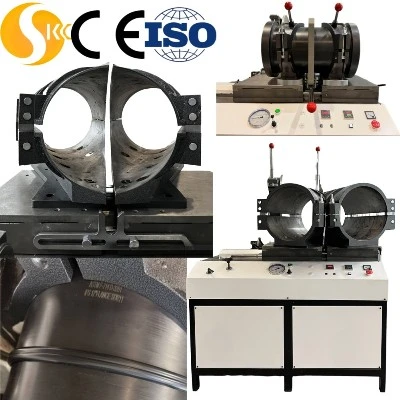
Important Reminder: Whether you purchase a manual multi-angle butt welder, automatic multi-angle butt welding machine, or ordinary straight pipe butt fusion machine, the welding machine itself does not have an inherent attribute of "ASTM certified" or "non-ASTM certified". Which welding standard to follow is determined by project requirements, pipe material and working conditions.

When Do You Need to Adopt ASTM Butt Fusion Standard
Projects in North America or Mandated by Local Codes
If your project is located in the United States or Canada for municipal water and natural gas pressure pipelines, or the end client, supervisor or third-party inspector clearly requires North American specifications, the welding procedure shall comply with ASTM F2620.
This requirement applies equally to:
- Straight pipe butt fusion on site;
- Workshop prefabrication: producing elbows with HDPE elbow welding machine DN90-400, tees & crosses with HDPE tee cross welding machine, and Y branch fittings with butt fusion machine for PE Y fittings.
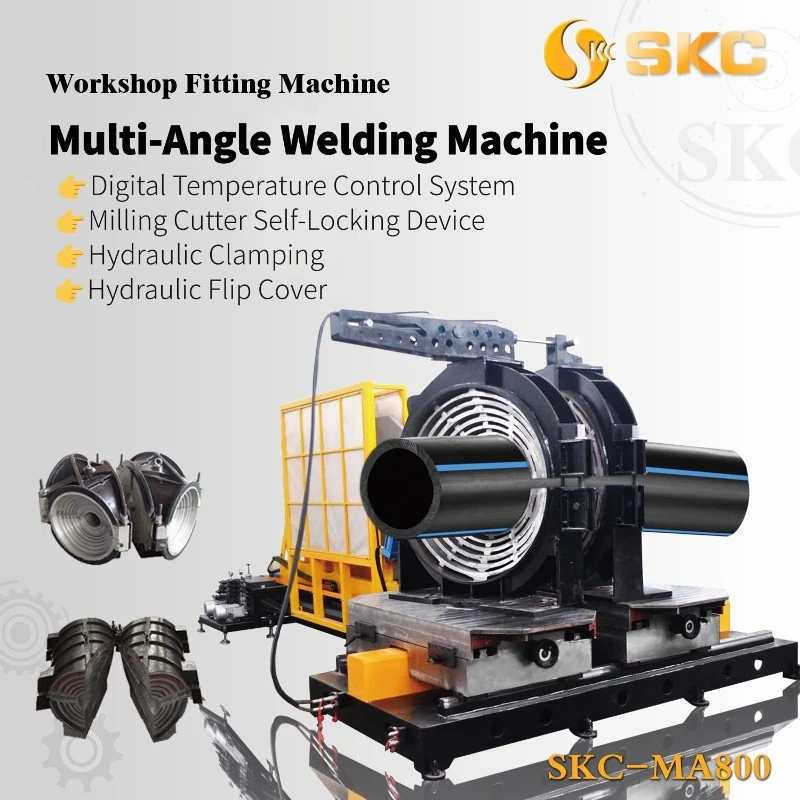
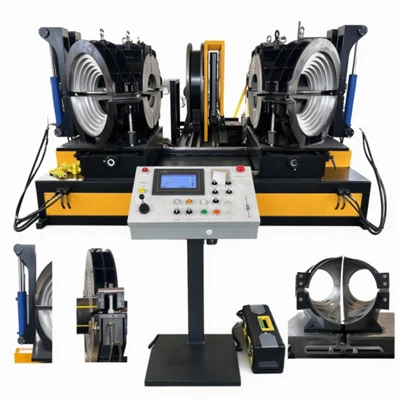
No matter manual mode or auto welding cycle mode on HDPE multi-angle welder with optional auto welding cycle, the machine controller must match the full set of process parameters specified by F2620, including interfacial pressure, heating temperature, soak time and cooling duration.
ASTM Compliance Required by Contract or Tender Documents
Many international EPC projects and overseas bidding documents specify ASTM standard butt fusion welding machine, or explicitly require welding procedures to follow ASTM F2620 / D2657. Even if you use HDPE pipe fitting fabrication machine to produce non-standard special-shaped fittings, weld logs, bead visual inspection and bend test samples must be carried out in accordance with ASTM specifications for project acceptance.
Base Material is Polypropylene, Polybutylene or Other Polyolefins
When prefabricating PP elbows, tees, crosses or joining straight pipes in the workshop, you should refer to ASTM D2657-07 instead of F2620.
Scenarios Where ASTM Standard Is Not Mandatory
Projects Following European ISO / DVS / CEN Specifications
Many projects in Asia-Pacific, the Middle East and Africa mark ISO DVS CEN ASTM plastic pipe welder on datasheets, while the contract only enforces ISO 21307 and DVS 2207. ASTM is not a mandatory requirement.
Under this circumstance, your HDPE fitting workshop welding equipment can follow DVS / ISO procedures, whether you weld straight pipes or prefabricate elbows, tees, crosses, Y fittings in the workshop, in manual or automatic mode.
In-house Non-pressure / Low-pressure Temporary Pipeline Fabrication
For factory internal non-pressure drainage pipelines, temporary piping and test sample fabrication without client acceptance or third-party inspection, you may adopt the pipe manufacturer's recommended welding parameters instead of strictly following the full ASTM procedure.
Note: Even if ASTM is not mandatory, basic fusion disciplines including facing, workpiece cleaning, bead inspection and sufficient pressure cooling must still be followed to avoid weld joint failure.
SAEMIN Multi-Angle Butt Welder Control Scheme Selection
SAEMIN machines support parameter switching between ASTM and European standards upon request to meet global specification requirements.
- DN400 and smaller multi-angle butt welders: integrated onboard control system, compact structure to save workshop space;
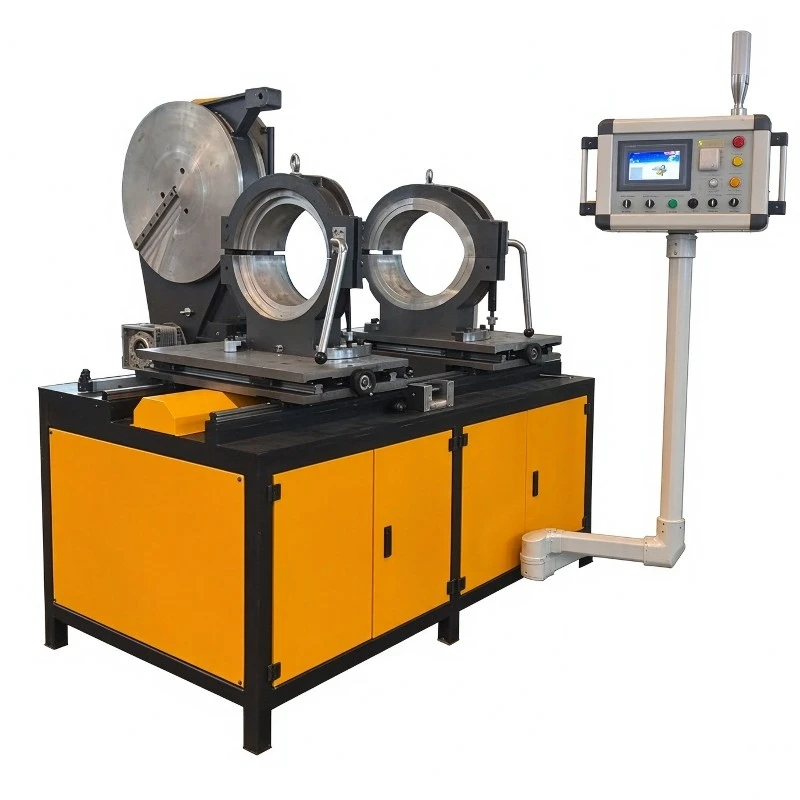
- DN630, DN1200 up to DN2600 large-size multi-angle butt welders: custom separate control cabinet or rotatable movable controller butt welding machine is available, giving operators a wider view to monitor the whole welding process and guarantee weld quality.
Key Factors to Judge Suitable Welding Standard
Do NOT select standards only by machine model. For straight pipe welding or multi-angle fittings (elbow, tee, cross, Y fitting), manual or automatic welding machine, evaluate these 5 conditions comprehensively:
Factor 1: Base Material of Pipe & Fitting
- HDPE polyethylene → refer to ASTM F2620
- PP polypropylene, polybutylene → refer to ASTM D2657-07
- PVDF pipe: prioritize fusion parameters from material supplier; D2657 only provides general guidance for polyolefin family.
Factor 2: Project Location & Local Codes
- Pressurized gas and potable water pipelines in North America: F2620 is usually mandatory or strongly recommended;
- Regions adopting European standards: ISO / DVS as primary, ASTM optional.
Factor 3: Tender & Contract Technical Clauses
Check tender specs to confirm whether ASTM F2620 / D2657 is cited. If yes, both field welds and prefabricated fittings produced by HDPE pipe fitting fabrication machine must comply with this standard.
Factor 4: Transported Medium & Pressure Class
Pressurized gas and potable water projects carry high compliance risk and normally require formal standard welding procedures;
Non-pressure drainage and temporary pipelines have looser requirements.
Factor 5: Third-party Inspection & Client Acceptance
If third-party lab test, witness welding or witness pressure test by consultant / client is required, you must follow the standard specified in the contract and keep complete traceable welding logs.
Q: Is a butt fusion machine ASTM certified?
A: The butt welding machine itself cannot be ASTM certified. ASTM F2620 is a welding practice standard. Whether you apply ASTM depends on your project, pipe material and working conditions.
Notes
The decision to adopt ASTM butt fusion standard depends on your project working conditions. It is NOT tied to fitting type (elbow / tee / cross / Y fitting / straight pipe) or machine operation mode (manual / automatic).
If you have any confusion on welding standard selection and matching equipment configuration, feel free to contact SAEMIN for consultation. Our engineering team will support you with professional solutions.