

How to Choose a Suitable Multi-Angle Cutting Saw | Full Selection Guide
In industrial cutting and pipe processing operations, selecting a suitable multi-angle cutting saw is essential for stable cutting quality, consistent precision, and high production efficiency. Different materials, cutting thicknesses, angle requirements, and working environments all require matched saw equipment. As an experienced manufacturer and supplier of multi-angle cutting saws, we summarize the core selection criteria to help customers choose the most cost-effective and applicable machine for their projects.
1. Cutting Material and Thickness
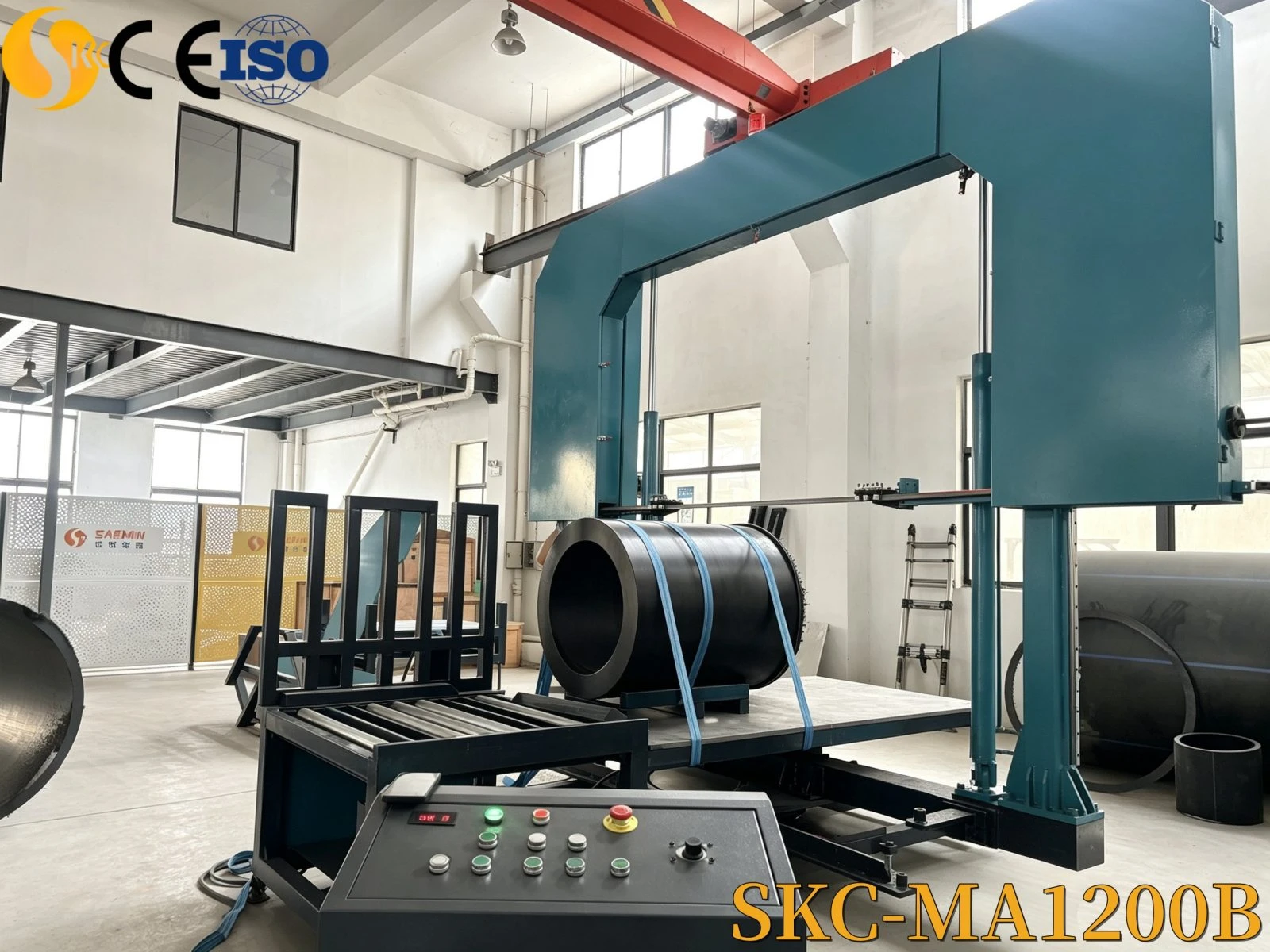
The first factor to confirm before purchasing a multi-angle cutting saw is the actual cutting material and maximum workpiece thickness. Different materials have different hardness, ductility, and melting characteristics, which directly determine the required blade type, cutting power, and operating speed.
This is an ideal solution for the processing of plastic pipes, including HDPE, PE, and PP pipes. This series of saws is professionally optimized for plastic materials, effectively avoiding common problems such as pipe melting, edge chipping, and uneven notches, ensuring smooth and burr-free cutting sections.
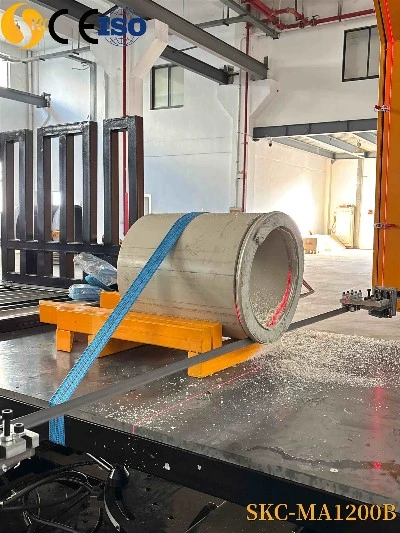
For cutting high-hardness materials such as PPH and PPR, industrial heavy-duty multi-angle saws with higher rigidity and power are required. When processing large-diameter pipes and profiles up to 630mm, the pipe cutter provides reliable cutting capacity and stable precision, fully meeting the processing demands of thick and large workpieces.
2. Cutting Angle Range and Adjustment Accuracy
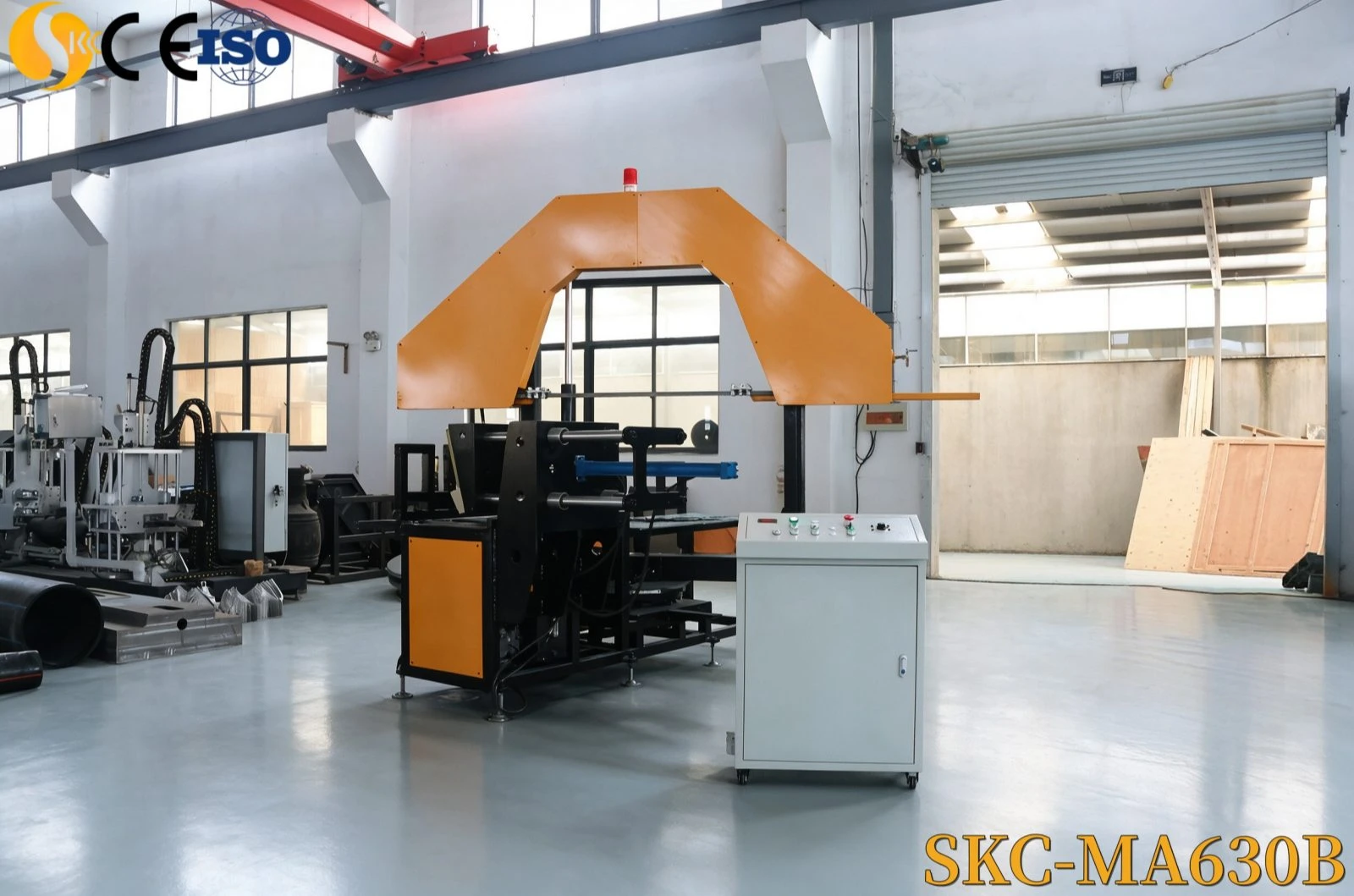
The core advantage of a multi-angle cutting saw lies in its flexible angle cutting capability. A qualified industrial saw must support a reasonable angle adjustment range and precise positioning functions to adapt to diversified cutting demands.
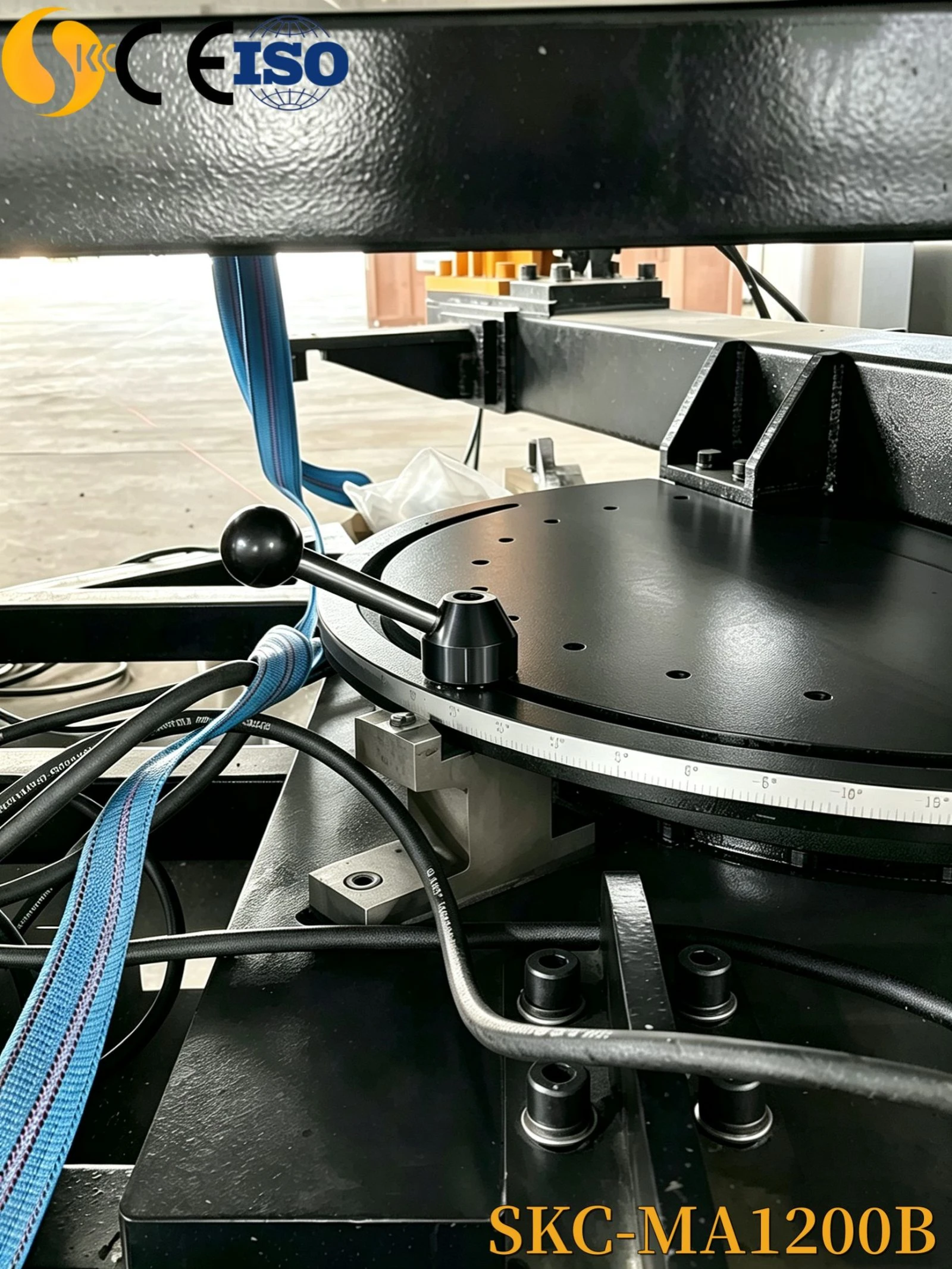
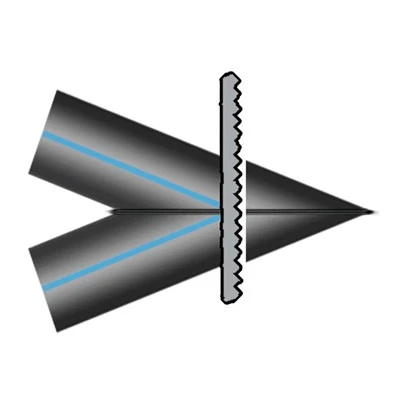
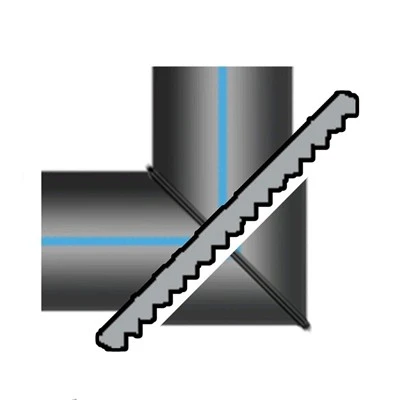
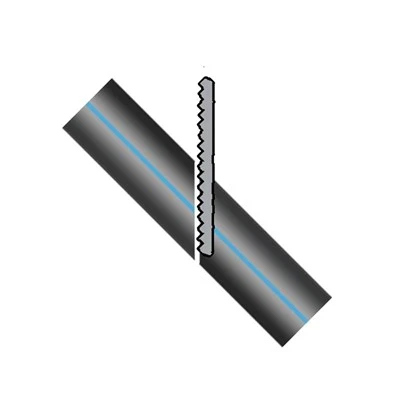
High-quality industrial-grade features a standard adjustable angle range from 0° to 45° or from 0° to 67.5°, with customized larger-angle options available. It can complete complex angle cutting for pipe fittings, tees,cross, and structural profiles, widely applicable in pipeline engineering, construction, and industrial fabrication.
In addition to the angle range, angle adjustment convenience and accuracy are equally important. Modern upgraded saws are equipped with digital angle display and quick locking structures. Operators can set accurate angles in seconds without repeated calibration, greatly improving batch processing consistency and reducing manual errors.
3. Blade Type and Blade Quality
The saw blade is the core component that determines cutting effect and service life. Matching the correct blade according to the cutting material is the key to obtaining high-quality cutting results and reducing later maintenance costs.
For plastic pipe cutting scenarios, the professional https://www.doubao.cn is equipped with fine-tooth blades customized for thermoplastic materials. The optimized tooth pitch and tooth shape prevent plastic melting, chipping, and burrs during high-speed cutting, ensuring flat and clean pipe sections for subsequent welding and connection.
High-speed steel (HSS) blades are suitable for daily light and medium-duty cutting with balanced cost performance. For long-term heavy-duty cutting of hard materials, carbide-tipped blades are recommended. They feature higher hardness, stronger wear resistance, and longer service life, maintaining stable cutting precision for long-term continuous operation.
4. Cutting Precision and Operational Stability
Cutting precision and stability are key indicators for evaluating industrial multi-angle saws. Stable equipment operation can effectively avoid workpiece deviation, reduce material waste, and improve product qualification rate.
Excellent multi-angle cutting saws adopt thickened integral rigid frames and high-precision guide systems. The rigid structure effectively suppresses vibration during cutting, preventing angle deviation and section inclination caused by equipment shaking. High-precision bearing guides ensure linear and stable blade operation for straight and standard cutting results.
Advanced models are equipped with laser positioning aids and digital real-time monitoring systems, realizing accurate positioning and visual cutting process control, which fully meets the high-precision processing requirements of engineering pipe fittings and customized profiles.
5. Complete Safety Protection Configuration
Industrial cutting equipment requires complete safety protection devices to ensure operator safety and standardized production operation. Safety configuration is an indispensable part of equipment selection.
Qualified industrial multi-angle cutting saws are equipped with closed blade guards, emergency stop buttons, and safety interlock devices. The protective cover isolates the moving blade from the operating area; the emergency stop device quickly cuts off power in case of abnormalities; the interlock system prevents startup without complete protection, effectively avoiding operational safety risks.
6. Motor Power and Variable Speed Adaptability
Motor power and cutting speed adjustment performance determine the equipment's material adaptability and production efficiency. Reasonable power matching can avoid blade jamming, slow cutting, and equipment overload failure.
Low-power machines are suitable for light-duty cutting of thin plastic pipes and small profiles, while heavy-duty industrial processing of thick-walled pipes and hard materials requires high-power saws to ensure strong and stable cutting power.
Variable speed function is a core practical feature for multi-scene cutting. Plastic pipes require low-speed cutting to prevent melting and chipping, while metal materials adapt to medium and high-speed cutting for higher efficiency. The plastic pipe cutter supports stepless variable speed adjustment, flexibly matching different pipe diameters, wall thicknesses, and material types to achieve optimal cutting effects.
7. Equipment Durability and Maintenance Convenience
A multi-angle cutting saw is a long-term industrial investment. Equipment durability and later maintenance costs must be fully considered during selection. High-quality saws adopt high-strength structural materials and precision manufacturing processes, supporting long-term continuous high-load industrial operation.
Humanized structural design is conducive to daily maintenance, including detachable protective parts, open lubrication ports, and quick blade replacement structures. It greatly simplifies daily cleaning, lubrication, and blade replacement work, saving maintenance time and reducing operating costs.
Conclusion
Selecting a suitable multi-angle cutting saw requires comprehensive evaluation of seven core factors: cutting material and thickness, adjustable angle range, blade quality, cutting precision, safety configuration, power and speed performance, as well as equipment durability and maintenance cost. Only by matching the machine with actual working conditions can stable cutting quality and high production efficiency be guaranteed.
We are a professional manufacturer of multi-angle cutting saws, providing full-series plastic pipe cutting equipment covering small, medium, and large specifications. We support personalized customization and one-stop industrial cutting solutions. If you have any selection questions or procurement demands for multi-angle cutting saws, feel free to contact us for professional technical guidance.